
Creating pathways for science at Earth’s coldest frontiers.
POLAR’s mission is to create research opportunities for early-career scientists by designing and providing operational and logistical support for science expeditions in the polar regions. By addressing the challenges of access, funding, and logistics, POLAR enables researchers to focus on discovery and long-term scientific impact
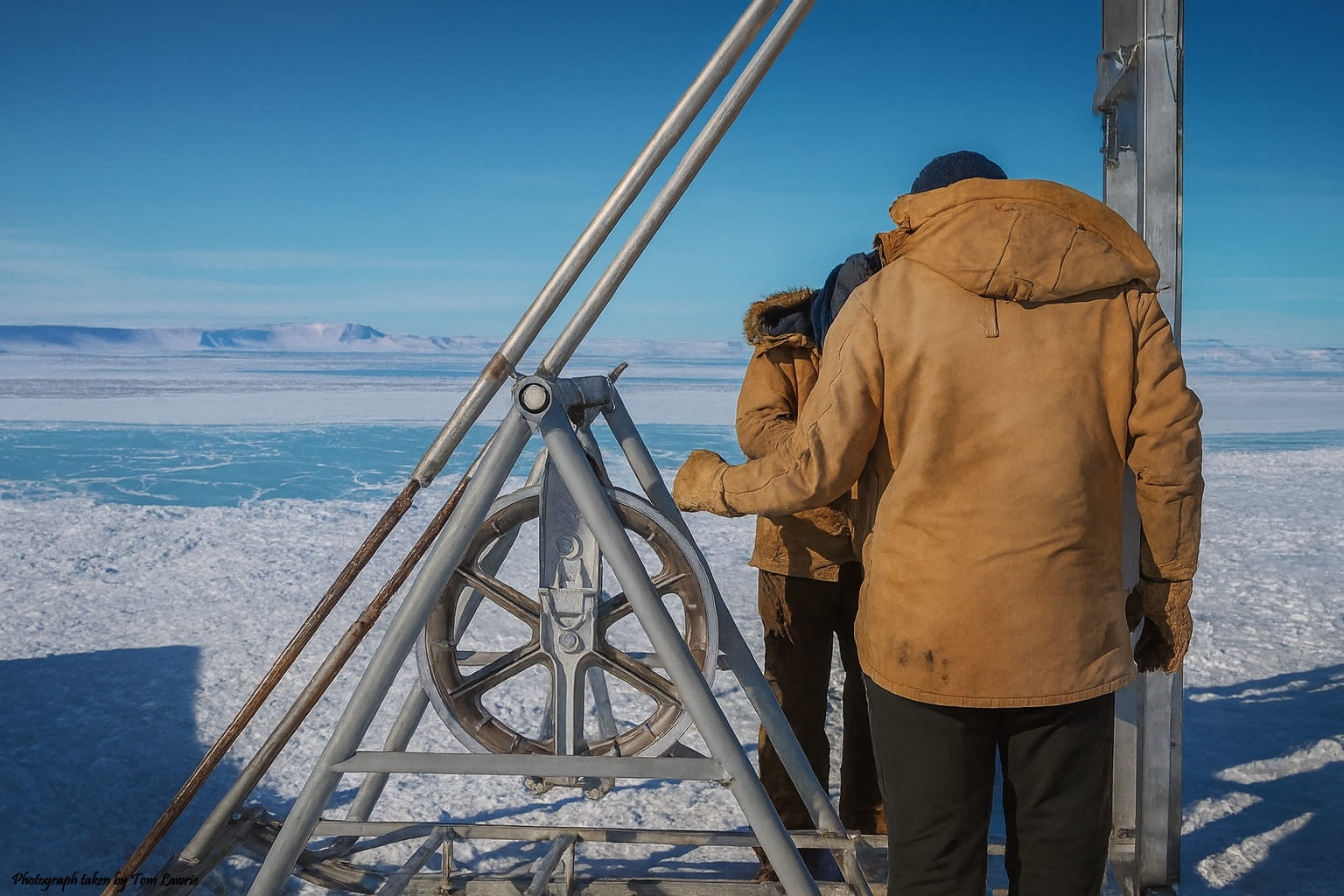
We collaborate with scientists, institutions, and partner organizations worldwide to create inclusive research opportunities. By combining fundraising, operational expertise, and global collaboration, POLAR enables safe, effective, and impactful science in extreme environments.
POLAR goes beyond traditional funding models by supporting the entire research journey. From proposal review and expedition planning to on-the-ground logistical support, we help transform scientific ideas into real-world research.
Our focus on early-career researchers ensures long-term impact, continuity, and innovation in polar science.
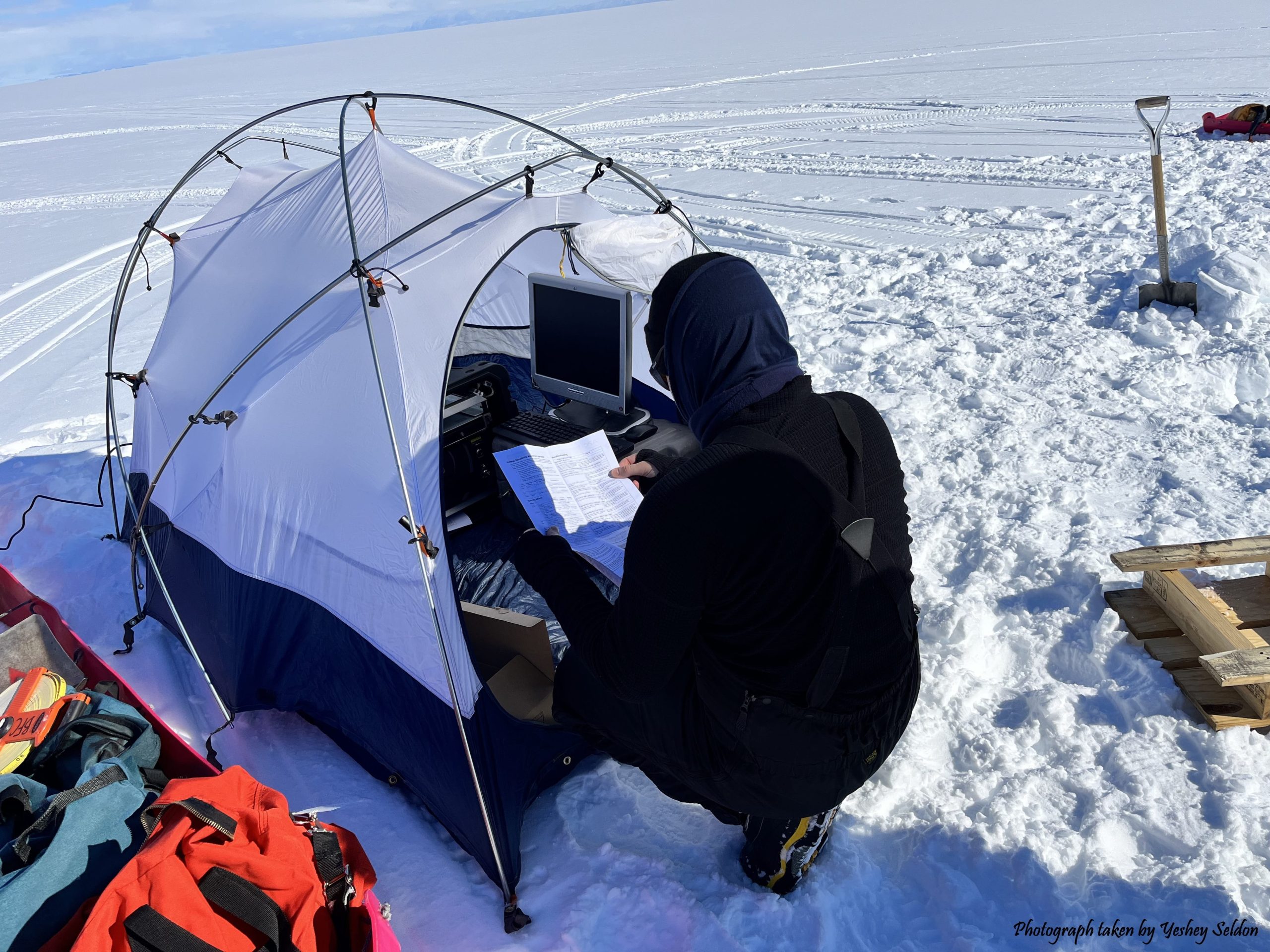
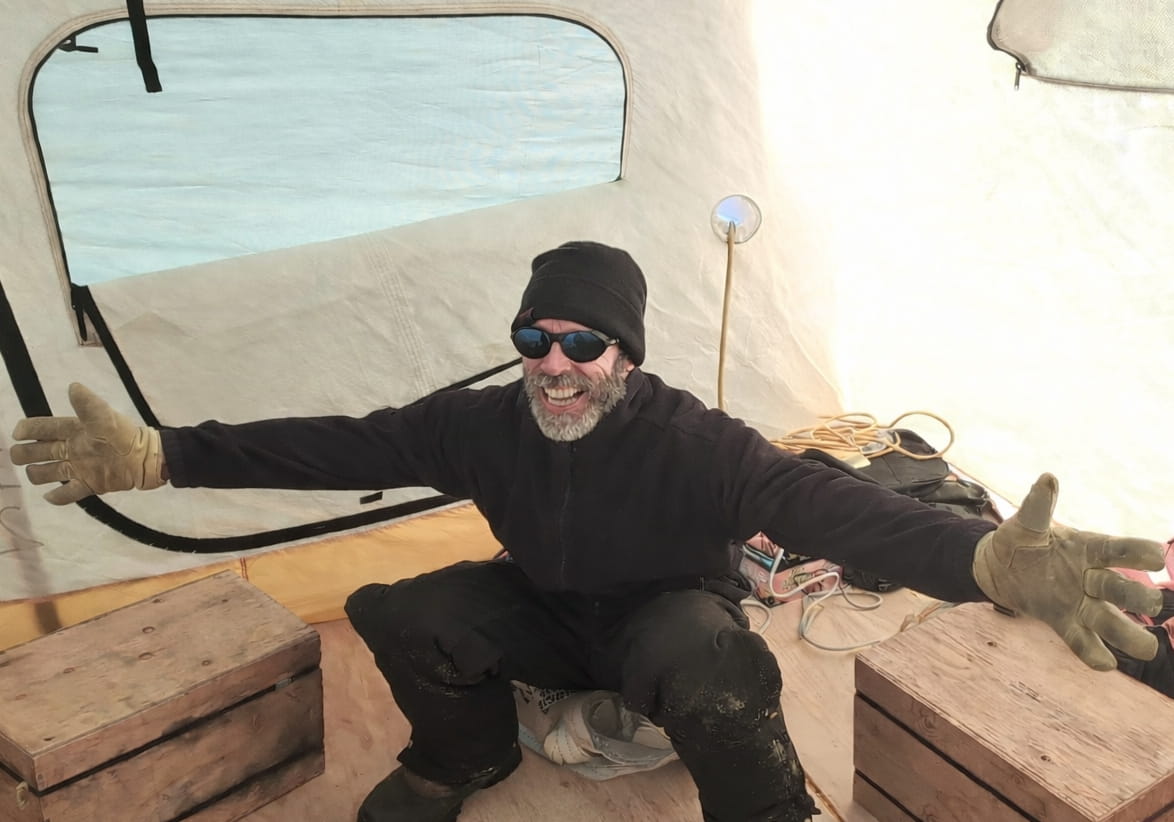
Founder
Tom has spent six seasons in the Antarctic spanning over twenty-five years. He has worked both ends of the spectrum, first in cargo delivering materials for the construction of the new South Pole Station; then as a heavy equipment operator creating the blue ice runways and assisting drilling crews; and later joining with science teams as an ice core and hot water driller. Some of his past employers were the University of Lincoln-Nebraska, the University of Madison Wisconsin, and the University of California Santa Cruz. Tom has spent time at McMurdo Station, the South Pole, Siple Dome, Reedy Glacier, WAIS Divide, Thwaites Glacier, and various points on the Ross Ice Shelf. Tom also is a music royalty administrator, a music publisher and author.
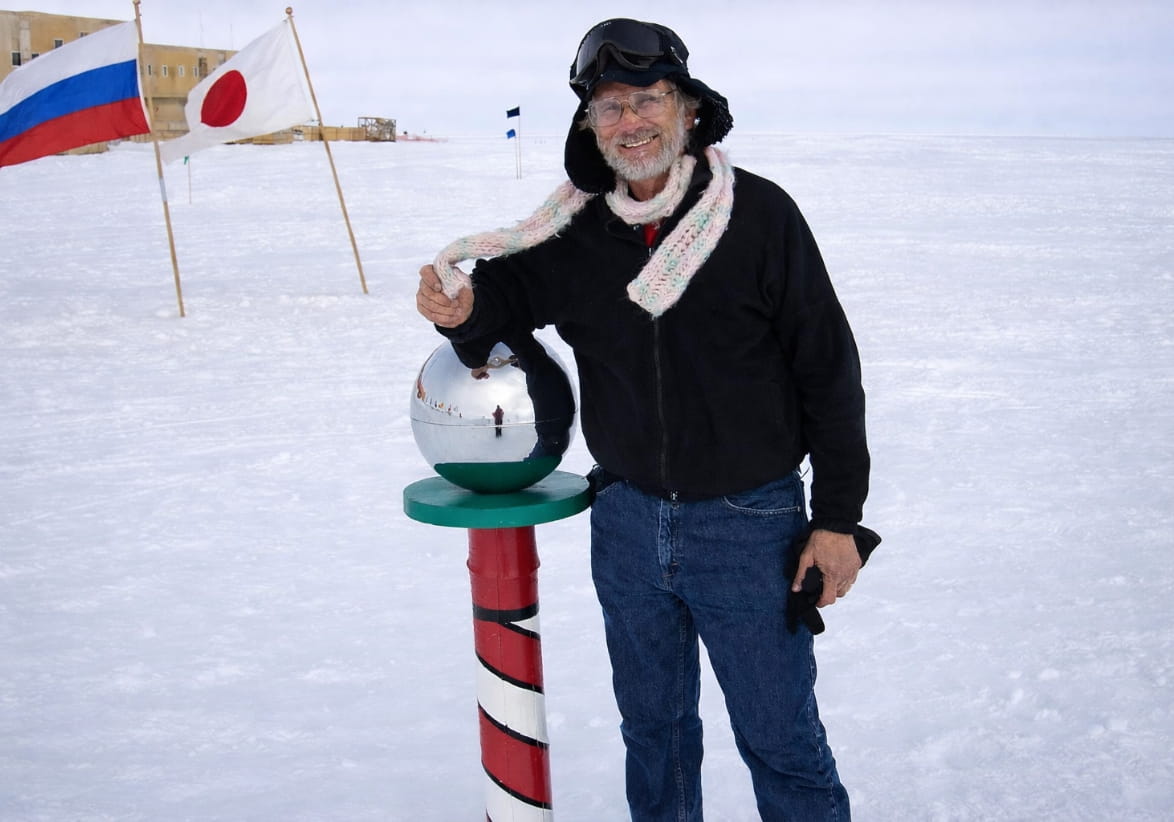
Robin Bolsey has college emphases in Geology and Physics and holds credits in both fields. Through volunteering with The Planetary Society, in Pasadena, CA, and through his later employment with Caltech, (beginning in 1991), Robin assisted with development and field testing of hardware for both Earth and space concepts. Robin has worked in ice drilling and polar science since 1991, including 21 field seasons in Antarctica. Through his work with Caltech, University of Wisconsin, Madison and the University of California, Santa Cruz, Robin’s efforts have supported the fields of glaciology, biology and neutrino physics. Notable in the glaciological arena was the development of a hot-water ice corer, a device for the acquisition of deep ice cores in far reduced time using hot water drill technology. Robin designed the tethered stake, a device that allowed for the measurement of the sliding speed of basal glacial ice for various Antarctic ice streams, allowing internal deformation to be inferred. Other work includes the development of various thermal melter probes. Robin Bolsey is listed as contributor or co-author on several scientific papers and publications, including “Drilling in Extreme Environments” (JPL Publication).
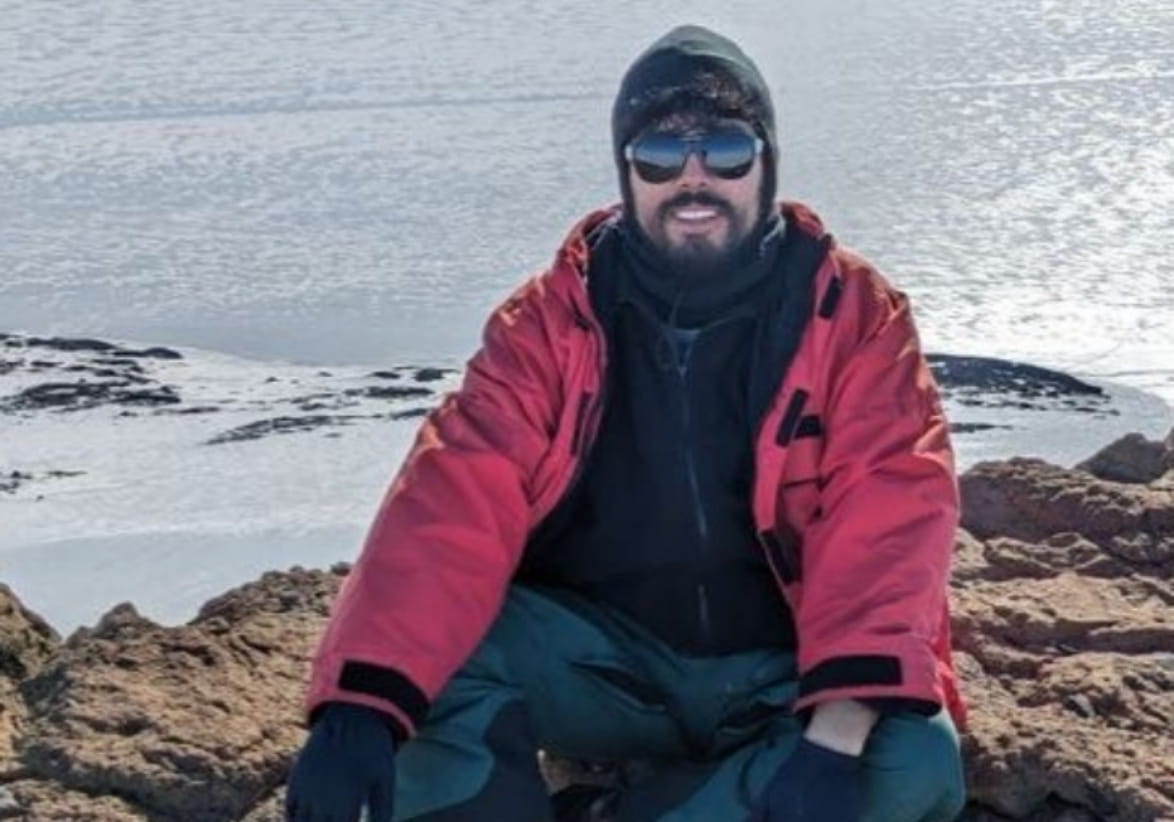
Dr. Solymar Ayala Cortez is a geophysicist and Director of the Geophysical Instrumentation Center at the University of Texas at El Paso, specializing in developing new methodologies to image discontinuities underground he uses imaging, active-source and geophysical instrumentation. His research integrates seismology, physics, and applied mathematics to investigate the subsurface structure in polar and tectonically active regions. He has participated in more than a dozen geophysical campaigns across the United States, Mexico, His work combines dense seismic arrays, controlled sources, gravity, and numerical modeling to address problems in seismic hazard, cryospheric dynamics, and resource exploration. At POLAR, Solymar contributes to the design, deployment, and operation of advanced geophysical experiments in Antarctic environments, advancing observational strategies for understanding Earth and ice dynamics under extreme conditions.
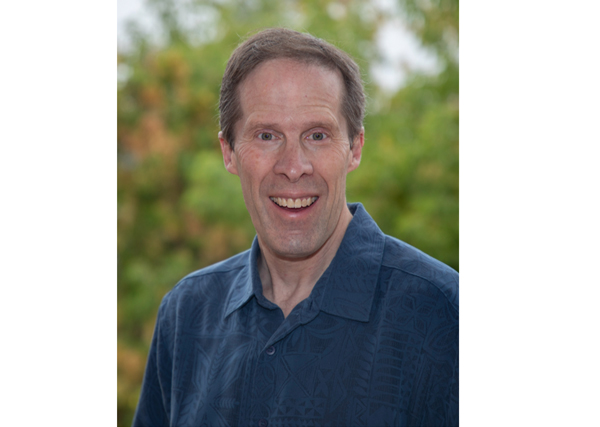
Dr. William Lipscomb is a polar scientist at the NSF National Center for Atmospheric Research (NCAR) in Boulder, Colorado. For three decades he has helped develop the cryosphere components of the open-source Community Earth System Model (CESM), one of the world’s leading tools for understanding Earth system variability and global change. He is the lead author of CESM’s land-ice component, the Community Ice Sheet Model, which is used to study the evolution of the Greenland and Antarctic ice sheets and recently has been extended to mountain glaciers. He is also a co-author of CICE, the CESM sea-ice component and has also spent time aboard the Nathaniel B. Palmer studying Antarctic sea ice. Bill holds a BS in Physics from Duke University, an MA in Physics and Philosophy from Oxford University, and a PhD in Atmospheric Sciences from the University of Washington.
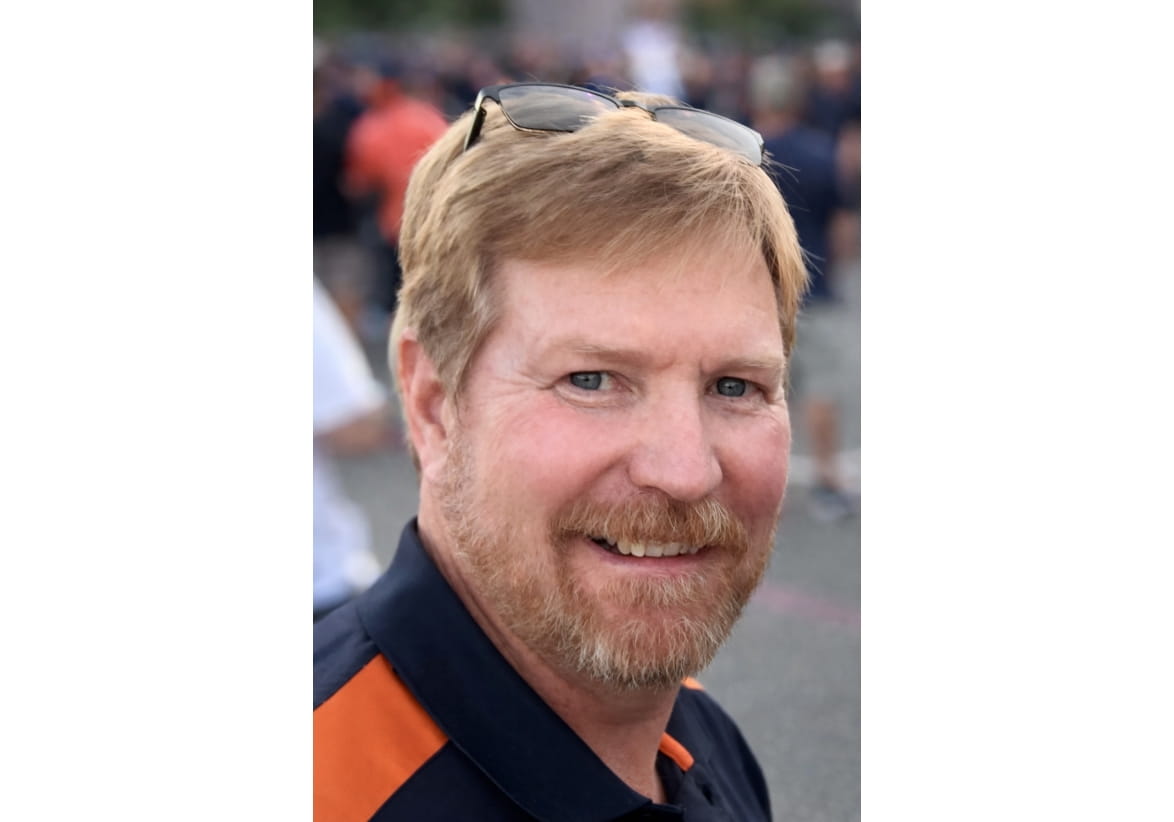
Galen Kaip has over 30 years of experience in geophysical science and engineering, with extensive global fieldwork focused on seismic data acquisition and a wide range of geophysical methods. He spent five years in geotechnical and environmental engineering (1994–1999) before joining the University of Texas at El Paso, where he worked for 26 years and served as Director of the Seismic Source Facility from 2016 to 2024. He is currently with the EarthScope Consortium, Inc. He has worked on every continent, including six field seasons in Antarctica, two seasons across the Greenland Ice Sheet, and multiple projects in Alaska, operating in extreme environments from sea level to high altitude and from extreme cold to heat. He has served as a principal investigator and team lead on numerous projects.